
Discover Ten Distinct Beaujolais Vineyards Producing Beaujolais Crus
The Beaujolais region has a climate similar to that of the Rhône, even though it is officially part of Burgundy. This is red wine country, and they produce it in huge quantities – more than the rest of Burgundy put together, in fact. As is typical in Burgundy, the region is again broken down into four categories, denoting the quality of the wine.
Beginning with the best, we have the Beaujolais Crus (meaning ‘growth’), followed by the Beaujolais Superior, Beaujolais Villages, and finally Beaujolais Nouveau (which has suffered from notoriety in the past but has improved greatly in recent years). There is white Beaujolais, but it accounts for only around 2% of the total wine produced. Within that highest category of Beaujolais – the Crus – there are ten distinct vineyard sites. Their prestige means that here they can label their wine simply with the vineyard, or Cru, name instead of the regional name ‘Beaujolais’.
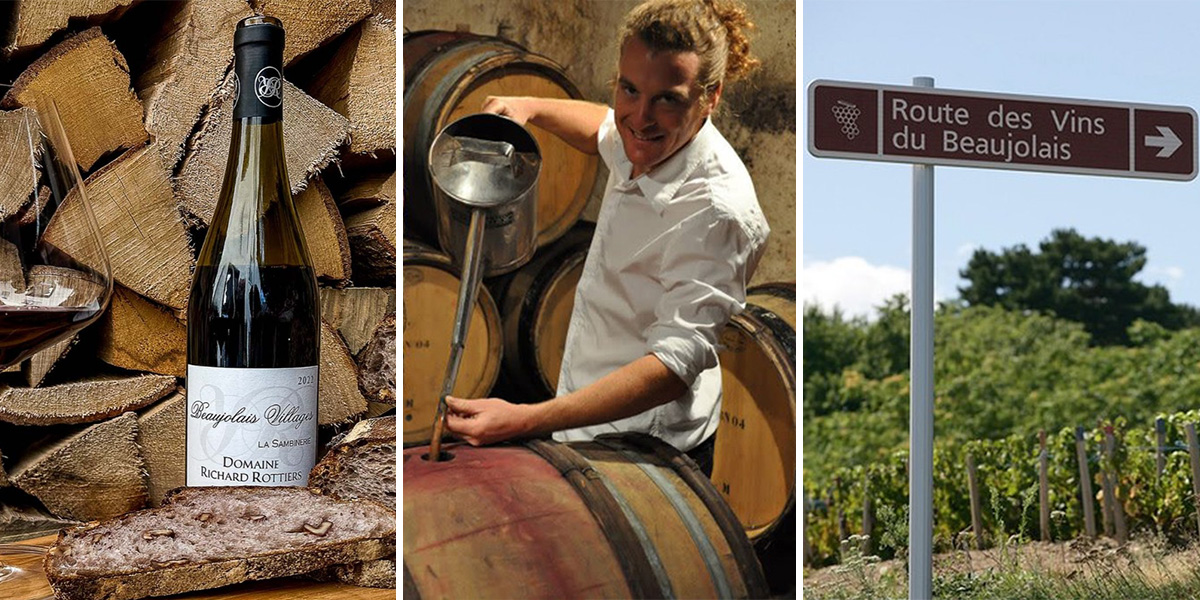
Before we look deeper at each Cru individually (and what can be more interesting than exploring and sampling each to find your favorite?), there’s one other important factor which sets this region apart from its neighbors – and that is that they don’t grow Pinot Noir here, but instead cultivate the Gamay grape. The reason, you won’t be surprised to hear, lies far back in history, and concerns one of the Dukes of Burgundy. Philip the Bold was certainly vocal when it came to wines. He had a particular dislike of the Gamay grape (he went so far as to call it ‘base’ and ‘unfaithful’) and though in 1395 he banned its cultivation in most of the region, word didn’t seem to reach Beaujolais. (You can read more about the Dukes of Burgundy and their influence on wine in our article here).
Fast forward to 1937, and Beaujolais acquired its Protected Designation of Origin, and today we have the following ten Crus to enjoy. Let’s meet them one by one:
10 Beaujolais Crus to Watch Out For
Saint-Amour
This, the most northerly of all the Beaujolais Crus, is reminiscent of the much-loved Burgundy wine of Chambolle-Musigny. With intense red-fruit flavors, and its name conjuring romantic images of amorous lovers (sales spike around Valentine’s Day), this Cru also produces a more serious variety which means it can be enjoyed year-round.
Juliénas
The Roman emperor Julius Ceasar gave his name to this Cru, though it doesn’t contain as many high-quality producers as elsewhere. It’s perhaps a little weightier than other Crus, and is known for its deep red cherry flavor which can be aged until it turns to Cassis.
Chénas
This Crus is made from grapes grown in quartzite soils, and some of the wines are indeed as dazzling as the gems themselves, with mineral intensity that benefits from some cellaring. You’ll be lucky to find it in many cellars though – it’s the rarest Cru of Beaujolais, and few find their way as far afield as the USA.
Moulin-à-Vent
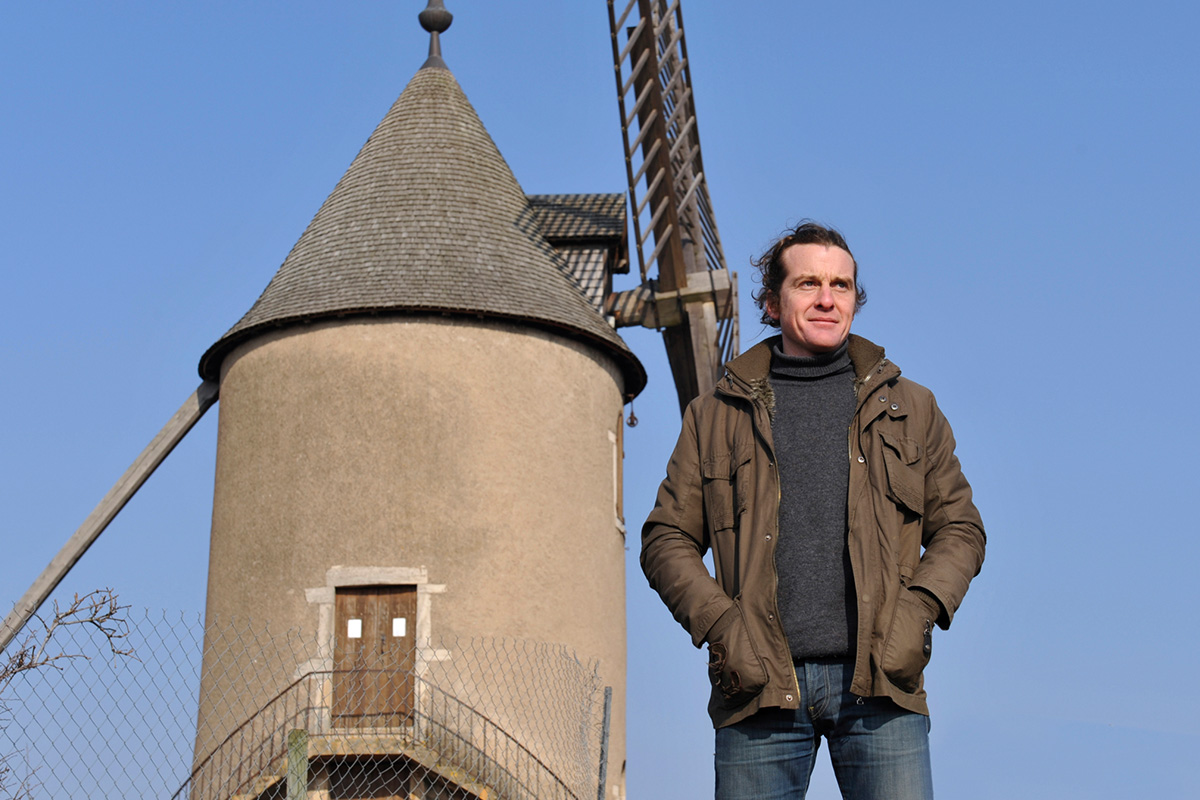
This Cru appellation is named after the famous windmill that overlooks the vines. In Burgundy, the character of wine is dictated by the soil and weather conditions (the terroir), and in the case of this Cru, that means the most full-bodied and ageable wine of all the 10 Crus. This concentrated wine can age for decades, but as it’s Gamay it will never be too tannic either, so it remains approachable. Some enthusiasts have noted that the wines of Moulin-à-Vent can resemble Pinot Noir in cooler years, and that in riper years you might even think you’re drinking a Syrah from the northern Rhône (something that may get more pronounced as climate change progresses).
In 2024, the winemakers of Moulin-à-Vent petitioned the authorities in France to grant them Premier Cru status – which if granted would see them become the first Beaujolais area to attain this distinction. As things work slowly when it comes to wine and regulation in France, if this is granted it may not come before 2030. But things are looking good for these winemakers, and our advice is most certainly to buy now while the prices are low, because they will only get higher in the coming years. (See below for our pick of this Cru, made by a winemaker we’ve known and loved for years).
Fleurie
Contrasting markedly with Moulin-à-Vent, wines made in Fleurie are light, floral and blossom-like (as the name suggests). It’s made by many high-quality producers, and can be enjoyed when young as well as having aged a little. Think violets and rose flavors and you won’t go far wrong.
Chiroubles
The highest land of all the Beaujolais Crus (with the coolest temperatures), Chiroubles produces the lightest-bodied wines of all. The light red fruits and violets in these wines put you in mind of Fleurie, but they are also complex and a little velvety.
Morgon
The soils here are rich in granite, meaning the wine from Morgon is blessed with a firm minerality and a delicious citrussy fruit profile reminiscent of oranges which can age very well indeed. There are some real quality producers here – perhaps the most in any of the Crus of Beaujolais – so it’s well worth your time lingering over this one.
Régnié
It was only in 1988 that Régnié was elevated to Cru status. Its youth comes out in its character – lively, supple with bright red fruits in abundance. Grown in pink granite soils, it’s also a little ‘spicier’ than other Beaujolais wines.
Brouilly
Situated on lower ground than its neighbour Cote de Brouilly (which is on a slope), this Cru is light and fairly easy-drinking in style, and as such can be found in innumerable bistros throughout France. This is the largest and most southerly of all the Beaujolais vineyards, and is lively and fruity.
Côte de Brouilly
Situated on the side of an ancient volcano, grapes grown here ripen more easily than in neighbouring Brouilly, and they drain well too, making elegant and seriously agreeable wines.
Pairing Beaujolais Wines With Burgundy Food Dishes
Beaujolais wine complements cold meats and charcuterie very well, and it makes a great partner to most white cheeses which are not too ripe – for these reasons, it’s an excellent choice for a picnic wine!
Dishes it goes really well with include traditional Oeufs En Meurette (Poached Eggs in a Red Wine sauce) – the sauce needs to be of a good acidity and on the fruity side, so Beaujolais is the perfect choice to cook with (though for a wine to drink with the dish, try a nice round Chardonnay). And last but not least, it makes an absolutely perfect partner to that most quintessential of French dishes: onion soup!
Try These Superb and Affordable Beaujolais Wines from burgundywine.com
BurgundyWine.com by Elden Selections have used their long-standing relationships with some of the best winemakers in the region to offer two outstanding Beaujolais wines for your delectation; these are village wines from Richard Rottiers, fruity and spicy…and from vines which are more than 60 years old:
- Richard Rottiers Beaujolais Cru Moulin à Vent 2020: because yields in this Cru of Beaujolais are so low, you get a much more powerful and concentrated wine every time. So much so, that it’s sometimes mistaken for a Cote de Nuits Pinot Noir! Lingering violets and Gamay grape fruitiness abound here.
- Richard Rottiers Beaujolais Cru Moulin à Vent 2022: this wine from the vintage two years after the one above has all of the same beguiling structure and finesse. It’s a very long-lived wine, a characteristic that comes with being kept for six months in large oak barrels known as foudre.
If you haven’t already joined our Burgundy Wine Club, why not become a member today, and enjoy unique wine experiences and gifts? To read more articles like this, visit our blog page, where you can learn all about Burgundy’s Golden Triangle: Discovering the Great Whites, or why The Smart Money is on Smaller Burgundy Appellations and Producers. Finally, to book your vacation of a lifetime and stay with us here in Burgundy, just follow this link to our home, Domaine de Cromey.