
Learn How Both a Burgundy Vintage and Burgundy Vintners Affect the Wines
You can find a lot of writing and opinion on the interesting topic of the Burgundy vintage, but what does it all mean, and is it really that important? Well, the vintage of a wine – by which we mean the single year the grapes were picked – is an important influence on wine. How important depends, in part, on where in the world you’re growing your grapes, the weather conditions there, and the extent to which the vintner’s expertise and tricks of the trade come into play.
If you’re growing your grapes in a northerly climate, such as Europe, then the weather is going to matter significantly more to you than for a producer in, say, Argentina, Australia or California. Their climate is more stable and invariably warmer, though not without its own challenges.
Weather clearly plays its part in how grapes grow – it can sometimes destroy a crop before it has even flowered. Spring frosts are particularly common in the Chablis region of Burgundy (follow this link to see our great Chablis wines from this unique region), hence the smudge-pot warmers and the ice-jacket techniques the region is famous for. If the summer was particularly wet, then you risk fungus, and if too dry then a vine may actually stop growing until cooler weather appears. Then in the fall – supposedly the season of mists and mellow fruitfulness – excessive rain can swell grapes so much that they lose their flavor and even rot away.
But if the stars align and a fair wind blows, a good vintage can be the best thing to happen to a grape. A confluence of positive factors can produce some really collectable wines – not only do they ripen well, but they are able to age (and improve) for a very long time – meaning their rarity value, and their price, will increase. A good Burgundy vintage with good weather has the potential to produce fruitier, refreshing, or full-bodied wines. It can imbue them with extra complexity and add years to their cellaring potential.
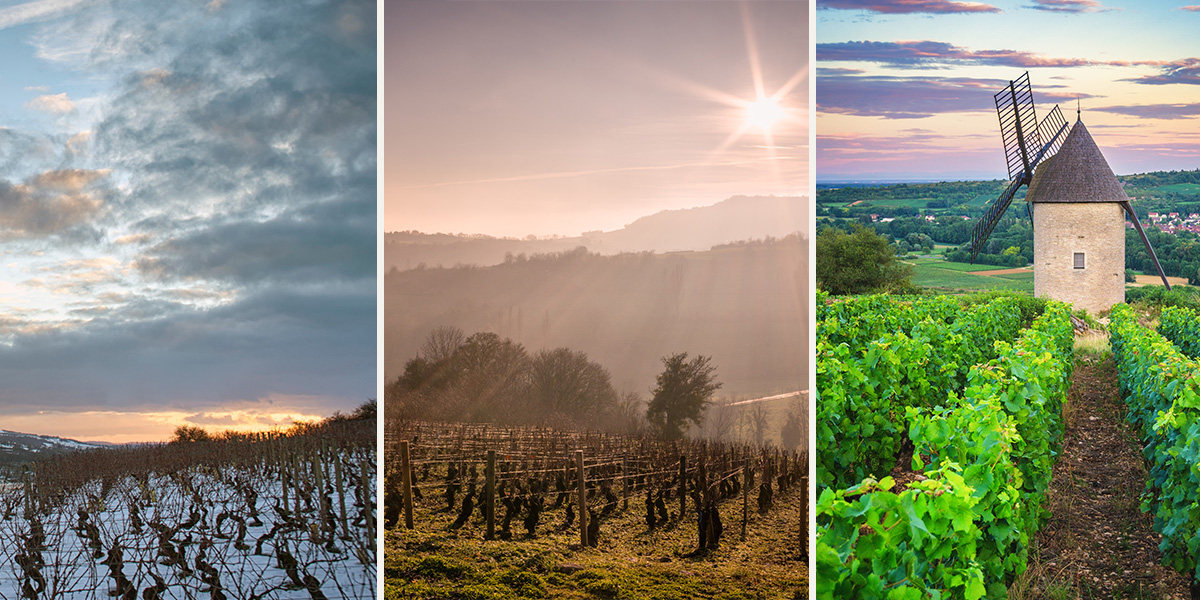
For those who don’t know where to begin with Burgundy vintage wines, sellers who really know their winemakers, like those you can find on burgundywine.com will be able to advise. They know where to look for the best bottles at the best prices, following wines vintage by vintage. And good vintage years are a great time to buy wine, because if the grapes are of a high quality, then less time, effort and cost needs to be spent on them in the cellar.
Of course, the vintner is not totally in the hands of nature, powerless to influence things at all. The expert winemaker has a range of tools available in his or her arsenal to compensate for when things go a little meteorologically awry. This might include using different types of yeast when fermenting, or adjusting alcohol or color levels. But a really great winemaker will only ever adjust or enhance – never completely try to change a wine’s identity.
In Burgundy (Bourgogne if you want to be French), the wines we make are by and large known as single varietals. This means they have a certain ‘purity of expression’ that comes from the small, distinct plot of land the vines are grown on. This plot means that each vintage has its own unique characteristics and personality – or to put it another way, a hallmark of how that terroir reacted to that weather, in those conditions, that year. Wine is a natural product, capable of almost infinite nuance and variety. Vintages are how we trace that variety through time.
Grape varieties grown in Burgundy can be particularly susceptible to weather conditions – like Pinot Noir, for example, whose acidity can vary significantly according to vintage. In this part of the world, it’s sometimes said that ‘June makes the quantity, and September makes the quality’. 2012 is a classic example of that. Locals commented that every month seemed to claim its own part of the crop – a frigid February; a spring-like March; then four months of showers until a scorching August, where the grapes were almost grilled on the vine. A still-hot September raised sugar levels considerably, but it ended coolly. The result? Wines of brilliant color, delicate aroma – and a lot of hard work for all involved.
So, to really get to know about vintages and how they can affect wines, do your reading about the vintage and weather conditions in recent years. You will probably come across vintage charts – matrixes with years and locations scored and ranked by the quality of the wine that year. Of course, these are broad-brush in nature and you may disagree, but isn’t that the fun of it? You could even make your own as you sample your favourite wines from recent years. In this way, you’ll get to know what your own preferences are for vintages and what to look out for.
Find Expert Vintage Reports and Tasting Notes at BurgundyWine.com
Did you know that we have reports on vintages and harvests for recent years in Burgundy? You can view them by going to our blog and filtering by Vintages & Harvest Reports. Use them to chart how the wines of Burgundy change year by year according to the prevailing weather conditions, and choose wines from those years you think best fit your tastes. You’ll experience the drama, heartbreak and joy of the winemakers we work with as they adjust their craft to accommodate the whims of Mother Nature. Relive the rollercoaster of a ride that was the Burgundy vintage of 2016, for example, when hail stone and devastating frosts afflicted both the northern region of Chablis and the southern area of Macon too. A cool, wet spring didn’t help matters but there was some late respite when the scorching heat of July and August arrived. Yields were down on ‘normal’ years but there were nevertheless some winemakers who did very well in 2016 (read about them here...)
2018, on the other hand, couldn’t have been a more different Burgundy vintage. Producers right across the Burgundy wine region brought in grape yields near or at their maximum permitted levels – a record breaking harvest for some. Long, dry days meant no issues with the curse of mildew or rot that can affect vines. Some producers may have picked a little too early, due to their concern that such a long summer might have been detrimental to acid levels in their wines. But rest assured that all of the winemakers that we work with in our wine shops at Burgundywine.com made great things happen in 2018 and have these amazing wines to show for it. As we have explored in this article, the eternal battle between vintage and vintner rages on, but in the hands of an experienced winemaker, a problematic vintage can be tamed and great wines made.
Drink Your Favorite Vintages at Domaine de Cromey
Why not sample every Burgundy vintage we have on offer in our cellars and find your favorite, in the perfect conditions and sumptuous surroundings of our bespoke tasting room? It’s just one of the luxury rooms available to you as our guest when you stay amongst the vines with us in the heart of Burgundy at Domaine de Cromey. Book amazing day trips, meet like-minded people, broaden your gastronomic horizons and be treated like Lords and Ladies of Burgundy – book your stay with us today.