
Burgundy — that most famous wine region of eastern France and the home of burgundywine.com — produces some of the most celebrated wines in the world. From delicate Chablis to sumptuous Vosne-Romanée, Burgundy’s whites and reds have fascinated wine lovers for centuries. Yet, even experienced collectors face a perennial question: should I drink my Burgundy wine now, or cellar it for later?
Knowing when to open a bottle (or when to wait) is both art and science. Some wines blossom with time; others may fade. Understanding how wine evolves in the bottle — and how Burgundy’s unique character plays into that process — can help you make the most of every sip. Read on to learn how aging Burgundy wine can improve your hobby.
Why Some Wines Age Gracefully (and Others Don’t)
Not every wine is built to age. Many wines around the world made today are crafted for early enjoyment — fresh, vibrant, and fruit-forward. A much smaller percentage of global production is capable of improving over time. Here, Burgundy leads the way.
There are many reasons why some wines should be aged, and some enjoyed now. Some of it lies in balance and structure. For a wine to age well, it generally needs:
- Acidity: to preserve freshness and prevent oxidation (where oxygen comes into contact with the wine and produces an unwanted reaction, spoiling the wine).
- Tannins: which act as natural antioxidants and help the wine gain complexity as they soften.
- Concentration: enough fruit and extract to sustain development over time.
- Balance: no single component should dominate; all must evolve together.
In short, wines with strong yet harmonious structure tend to age well. Lighter, simpler wines — even if delicious — usually offer their best moments within a few years of release.
What Happens Inside the Bottle as Wine Ages
Aging Burgundy wine is not just about waiting — it’s transformation. Inside every sealed bottle, a slow but fascinating process unfolds.
- Tannins Soften: In young red wines, tannins (derived from grape skins, seeds, and oak) can taste harsh or astringent. Over time, these molecules polymerize — binding together into larger chains that feel smoother on the palate.
- Aromas Evolve: Primary fruit aromas (cherry, blackberry, citrus) noticed first on the nose then give way to more complex ones called secondary and tertiary notes — think truffle, forest floor, dried rose, or earthy spice. This is what enthusiasts call bouquet development.
- Color Shifts: Red wines gradually lighten, shifting from deep ruby to garnet or brick tones. White wines, by contrast, darken slightly — from pale straw to golden hues.
- Integration Occurs: The various components — acidity, fruit, tannin, and alcohol — knit together into a seamless whole.
At its best, an aged wine expresses something that youth rarely can: depth, subtlety, and a sense of time. This is the true value of aging Burgundy wine.
Burgundy: A Region Defined by Nuance
Burgundy’s wines are particularly sensitive to terroir and vintage. This sensitivity means that aging potential varies dramatically depending on where and how the wine was made.
Red Burgundy (Pinot Noir)
- Village-level and regional wines (like Bourgogne Rouge, or a wine labeled simply with the village and/or vineyard plot name e.g. “Gevrey-Chambertin”) are often best within 3–7 years after release. They offer bright red fruit, supple texture, and charm in youth.
- Premier Cru wines usually have more structure and can age gracefully for 8–15 years, depending on the vintage and producer.
- Grand Cru wines — from sites such as Chambertin or Corton — can often develop for 20 years or more, gaining extraordinary depth and complexity.
White Burgundy (Chardonnay)
- Entry-level whites such as those from Mâconnais or labelled simply as Bourgogne Blanc, are typically best within 2–5 years.
- Village and Premier Cru wines (from places like Meursault or Puligny-Montrachet) can benefit from 5–10 years, gaining nutty, honeyed notes.
- Top Grand Crus such as Corton-Charlemagne can age beautifully for 15–20 years, though white Burgundy is more prone to oxidation — a reminder that aging is never risk-free.
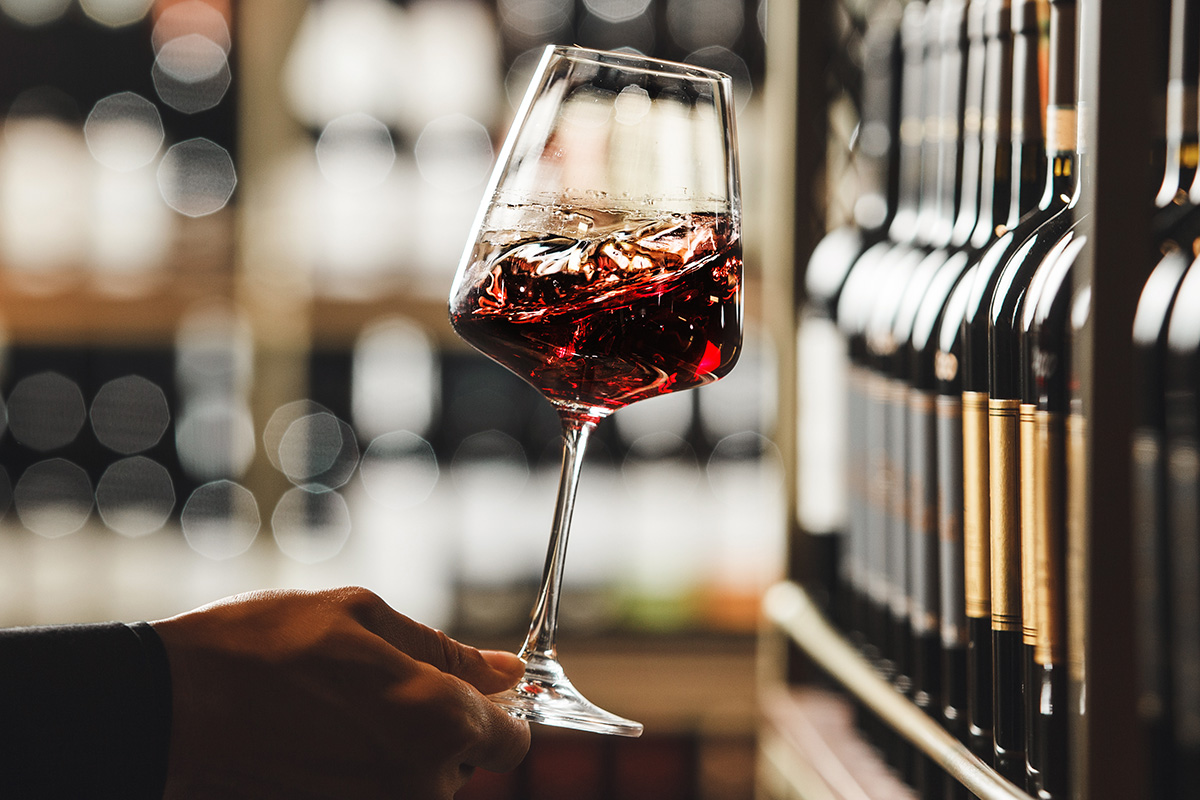
How to Decide: Drink or Wait?
If you’re unsure whether to pop the cork or let it rest, consider these factors:
- Winemaker and Vintage: Some winemakers craft wines built for the long haul; others focus on purity and accessibility. Likewise, cool vintages often yield wines with more acidity and structure (good for aging), while warm years produce riper, earlier-drinking wines. Look for reliable, time-honoured winemakers like those com work with.
- Your Taste Preferences: Do you love the energy and brightness of young Pinot Noir, or the mellow earthiness of maturity? There’s no “correct” moment — only what suits your palate.
- Storage Conditions: Aging only works if the wine is stored properly — ideally at around 12–14°C (55°F), away from light and vibration, with consistent humidity. Poor storage can ruin even the greatest bottle.
- The Wine’s Current Balance: If the wine tastes tightly wound, with firm tannins and sharp acidity, it may need time. If it’s open, fragrant, and harmonious, it’s more likely to be ready now.
There are some websites which claim that if you enter the appellation and year of your wine, they will tell you whether to age or enjoy now. Whilst these may be a handy rough guide, they are not infallible. They are no substitute for your own knowledge and experience of what works for you and what doesn’t. Only trying out wines at different stages of the aging process can really let you understand the magic of the process, and how different wines react to it.
A Brief Guide to Aging Burgundy Wine at Home
If you decide to age your Burgundy, follow a few key principles:
- Keep it cool: Temperature stability is essential — fluctuations are the enemy of longevity.
- Store bottles horizontally: This keeps the cork moist, preventing air from seeping in.
- Avoid light and vibration: Both accelerate chemical reactions that prematurely age wine.
- Be patient — but curious: Taste periodically. Aging isn’t linear; wines can close down (a “dumb phase”) before reopening in glorious maturity.
A simple trick: buy multiple bottles of a wine you love. Open one now, another in a few years, and another later still. The evolution itself is part of the pleasure.
A Moment of Beauty in a Glass
Aging Burgundy wine — or any fine wine — is about understanding potential, patience, and personal taste. Some bottles reward decades of cellaring; others shine in their youth. By learning how structure, storage, and style interact, you can decide when your wine is truly ready.
Whether you drink your Burgundy young or old, the goal is the same: to capture a moment of beauty in the glass — fleeting, expressive, and uniquely yours.
Stay with us and taste wines from our cellar in our tasting room!
We throw open the doors of our Burgundian manor house Domaine de Cromey throughout the year to accommodate enthusiasts of Burgundy wine. We have a renovated tasting room where we demonstrate the fruits that aging Burgundy wine can bring! Could you be next? Click here to see what awaits you in our home amongst the vines, or click here to make your booking.