
Aligoté
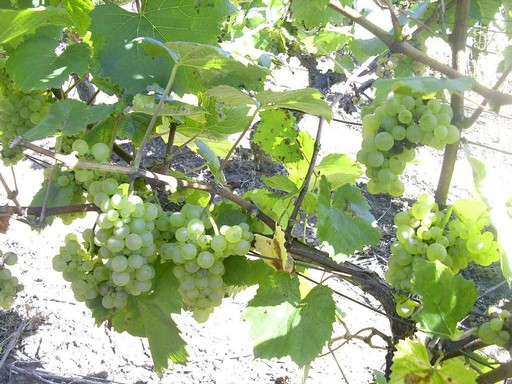
The Aligoté varietal first emerged in Bourgogne in the 17th century and is the result of a cross between Gouais Blanc and Pinot Noir. It also shares its origins with Chardonnay.
For a long time, Aligoté suffered from comparison with Chardonnay, despite sometimes being planted alongside it in prestigious appellations such as Corton-Charlemagne and Montrachet. It flourished on the best hillsides, producing larger and more plentiful grapes than Chardonnay.
In 1937, along with the other Bourgogne AOCs, Aligoté received its first formal recognition with the creation of the regional AOC Bourgogne Aligoté, authorized for production across the region.
In recent years, its reputation has continued to grow. Bourgogne Aligoté is now appreciated for its vivacity and thirst-quenching character and has found favor with a younger generation of wine drinkers.
From aperitif to cheese, Bourgogne Aligoté first catches the eye with its pale yellow color highlighted by hints of gold.
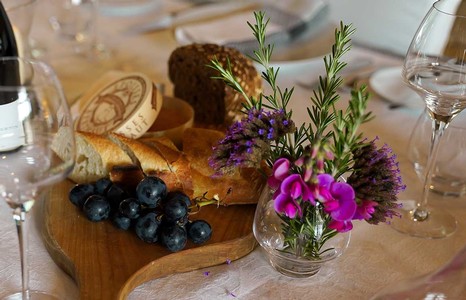
On the nose, Aligoté offers a wide range of aromas including white-fleshed fruit, white blossom, peach, lemon, linden, acacia, hazelnut, green apple, and occasionally citrus. On the palate, it is always remarkably fresh, with saline hints and lively acidity that provide excellent length.
Ideal as an al fresco aperitif, for a riverside lunch, a barbecue, or a fireside dinner with friends, Bourgogne Aligoté is a wine made for convivial moments and sharing.
Seafood and oysters highlight its saline character beautifully. With bass or shellfish, Aligoté brings out the delicacy of the dish. It pairs equally well with white meats such as poultry or roast pork, and with fresh or aged cheeses like Crottin de Chavignol. It can also shine alongside thoughtfully chosen dishes such as a Rhubarb Brioche French Toast or a Venetian Pea Risotto.
Did you know: Several myths surround Aligoté. While delicious when young, it can also age gracefully for several years. Another misconception is that all Burgundy Grand Cru whites were historically made only from Chardonnay. Before phylloxera, Aligoté grew alongside Chardonnay in vineyards such as Corton-Charlemagne and Montrachet. Finally, although traditionally aged in stainless steel, some Aligoté wines are matured in oak barrels, sometimes with new wood.