
You might have come across the term ‘climat’ when reading about your favorite Burgundy wines and how they are produced. (This is not to be confused with climate, when talking about the weather!) Our term climat is used to describe vineyard plots which have become famous, and which mark out Burgundy’s wine-growing territory like patches on a quilt. There are more than 1200 Burgundy climats (1247 to be precise), each special because of their subtle differences in aspect, location and the ground they are built on.
Some are well known, even globally famous (think of the wines from Clos de Vougeot, Montrachet, Corton…), whereas others are a well-guarded secret, known only to those with deep local knowledge. And these, of course, are the reason we exist here at burgundywine.com by Elden Selections – to bring you these hidden gem wines from these special plots. In this article we look at the history of climats, what they mean, how they have been recognised – plus we look at some of the finest wines in our cellars from these hallowed climats.
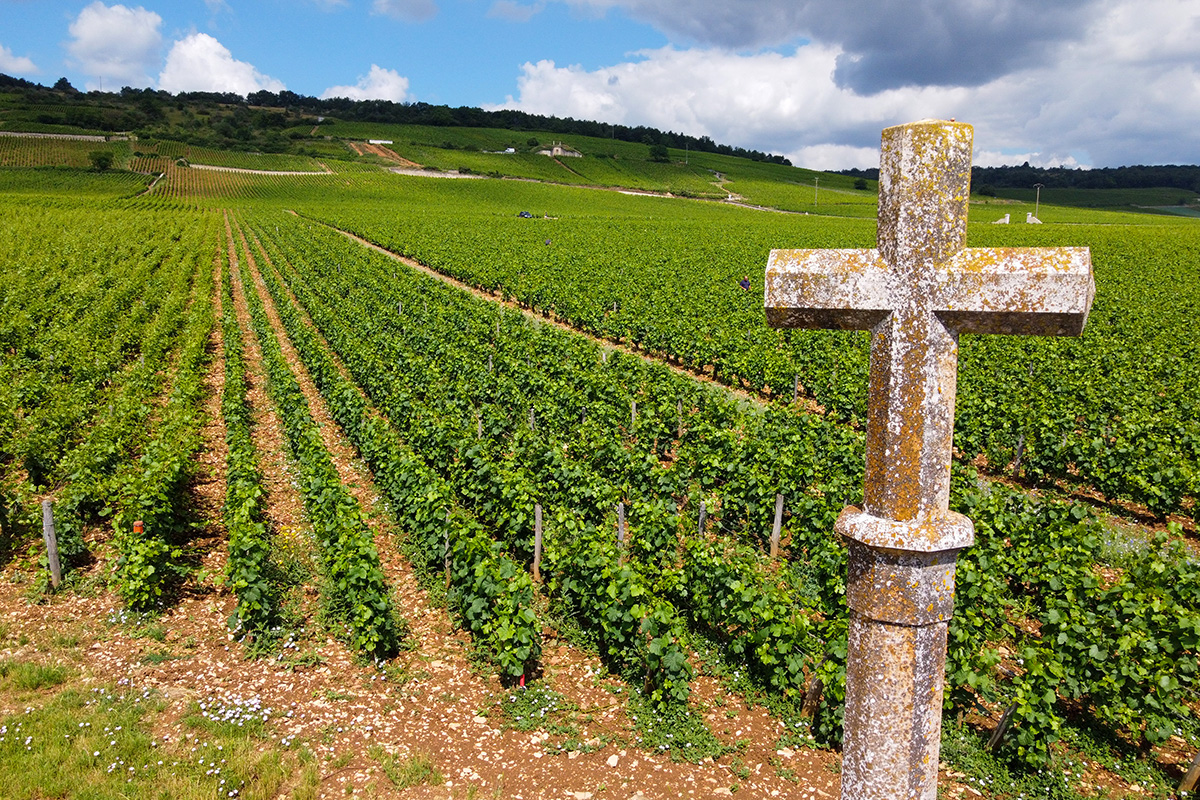
Each climat has its own microclimate—differences in temperature, moisture, sunlight, and wind—which can influence grape growth and, subsequently, the flavor profile of the wine. These specific vineyard sites are not just casual distinctions; they are officially recognized and classified, some even dating back centuries.
Burgundy climats range from small plots that may be less than a hectare to larger, more renowned vineyards like Meursault or Chambertin. The delineation of these sites is so essential that in 2015, UNESCO designated the climats of Burgundy as a World Heritage site, acknowledging their cultural and agricultural significance.
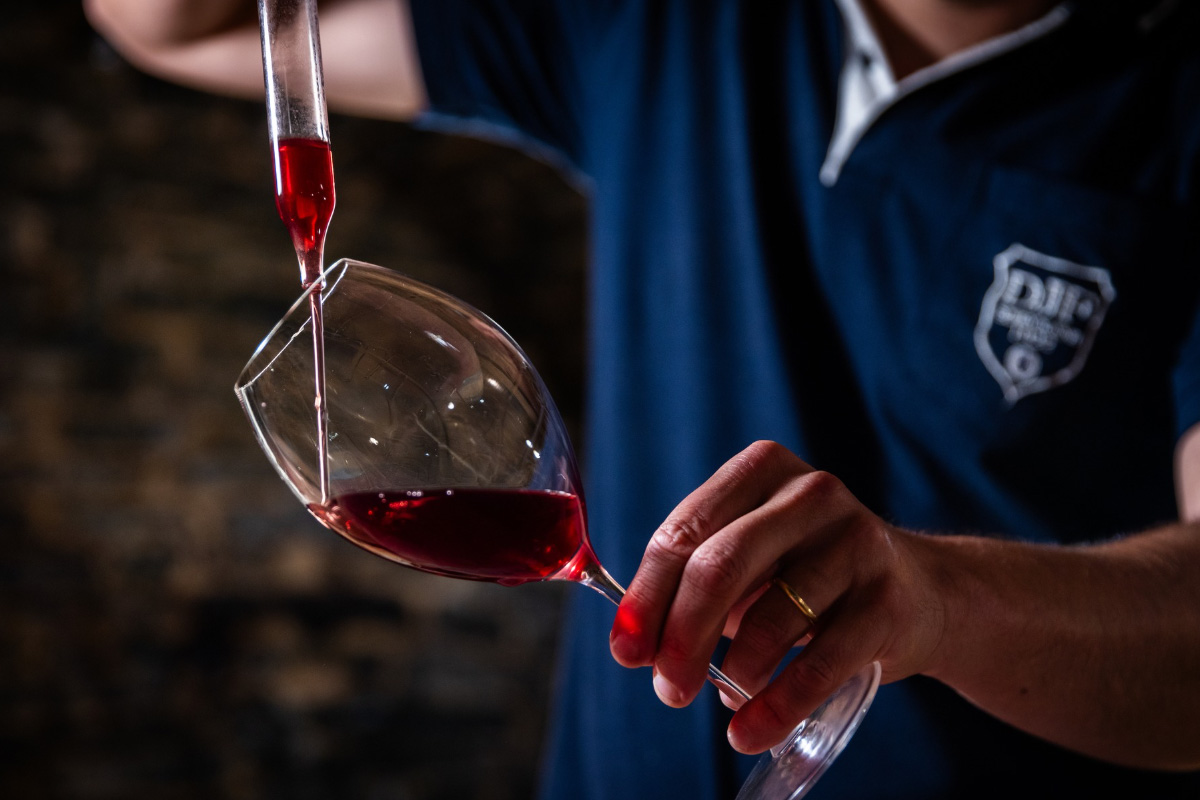
Some Top Burgundy Climats from burgundywine.com
- Domaine Des Malandes Chablis 1er Cru ‘Fourchaume’: some say there is a sinister story behind this climat, in that ‘fourche’ (meaning fork) may refer not to a fork in the road, but to a gibbet on gallows… but in any case, this famous climat produces vines which are 70 years old and which you’d be hard-pressed to realise were not Grand Cru!
- Jean Dauvissat Pere et Fils Chablis 1er Cru ‘Cote de Lechet’: This is another climat within the category of Premier Crus Chablis, and it’s a juicy, razor-sharp wine with that gun-flint minerality and smokiness that wines of this region are so beloved for.
- Capitain-Gagnerot Vosne-Romanee ‘Aux Raviolles’: this wine, as you may expect, is from a single vineyard plot and comes with all the flair that this producer has become so famous for. Velvety and fresh, it embodies the typical Vosne ‘fist in a velvet glove’.
- Domaine Thierry Mortet Chambolle-Musigny 1er Cru ‘Les Beaux Bruns’: this named plot produces wines which are structured and finessed, and with potential for good aging. Chambolle-Musigny is a tiny village but it has more than 20 climats classified as Premier Cru to its name.
- Domaine Jean Fery Puligny-Montrachet ‘Les Nosroyes’: this is from one of the Burgundy climats which produces village-level wine from a single-vineyard, known as a lieu-dit. The vineyard lies mid-slope underneath the main vein where 1er Crus are found here, and it is gravelly from its topsoil and complex from its subsoil. Toasty, nutty, it punches way above its price.
Many believe the first climat was the Clos de Bèze all the way back in 1676, when Louis XIV was on the throne. Prior to this, blends of wine from different plots were more common, but as people began to notice that some plots were better than others, the culture shifted and much more value was placed on smaller, individual plots. The term climat was used throughout the 17th and 18th century, rather than ‘terroir’ which is a later term.
2025 marks a proud milestone in the world of Burgundy wine – it is ten years since Burgundy climats received UNESCO World Heritage status. On 4th July 2015, the Climats de Vignoble de Bourgogne were recognised as being of great importance in linking wine to its place in a way that no other wine region in the world has managed to achieve. That’s why the labels in Burgundy lead with the plot name and winemaker. Giving them UNESCO backing means they are protected in their current form for generations of winemakers and drinkers to enjoy and benefit from.
This is one of the defining characteristics of a UNESCO world heritage site – that any change to them would be a significant loss to humanity. Other sites receiving this title include the pyramids in Egypt and the Taj Mahal in India, so the importance attached to them is clear to see. To reflect this importance, the whole Burgundy region celebrates them every year in June and July with a programme of events.
Of course, Burgundy is so much more than just its climats – they are one part of a wider strategy of preservation that was so important for UNESCO recognition. The other elements include the many historical monuments around the vineyards like abbeys and their cellars; the historical town centres and their buildings in Beaune and Dijon, the nature reserves, the architectural heritage – and indeed the whole Appellation d’Origine Contrôlée (AOC) system.
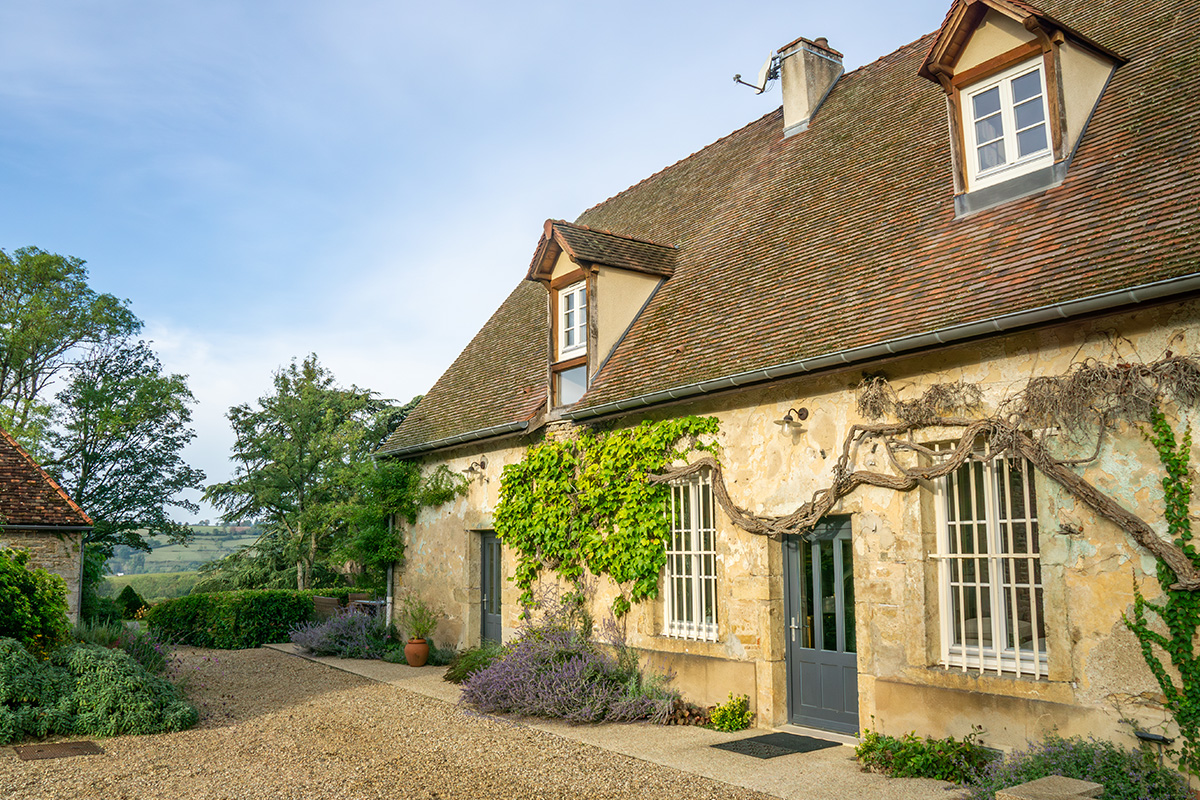
Discover the Top Climats As Our Guest
The best way to really get under the skin of these Burgundy climats and see them up close is to come and stay in Burgundy. We open our house – the Domaine de Cromey – in Burgundy each year for guests just like you to come and stay, and enjoy the wine holiday of a lifetime amongst the vines. Join us for a Burgundy house party that will reveal a side of Burgundy that tourists often miss!
Travel with us around the local area and let us show you the sights and sounds we’ve come to love over the last 30 years of living in Burgundy. Beginning in Dijon, we’ll travel south through the Cote d’Or along the ‘Route des Grands Crus’ and stop at the iconic Clos de Vougeot. Our journey might take us to the charming town of Beaune, known for its stunning medieval Hospices and picturesque cobblestone streets. Or we could explore the cellars of some of our favorite winemakers. We’ll also take a trip to the Roman ruins and medieval market town of Autun. One evening we might drive to a hilltop windmill to enjoy tastings of wines from the surrounding vineyards. With countless options available, our expert guides will create an itinerary that matches perfectly with your interests.
We have a whole series of articles explaining why this is such a great vacation destination, and the reasons for visiting. For example – this article on exploring the terroir while you’re here, or our article on the best Burgundy day trips and activities from Domaine de Cromey.