
Chardonnay
From Chablis to Saint-Véran and from Rully to Meursault, Bourgogne Chardonnays offer every facet of the grape’s wonderful personality. Chardonnay is one of the most versatile varietals, interpreting each plot of the Bourgogne winegrowing region with grace and elegance.
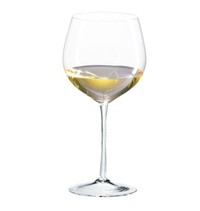
Chardonnay belongs to the Noirien family of grapes and is a direct descendant of Pinot Noir, crossed with another ancient varietal, Gouais Blanc.
Although it originated in the Bourgogne region, Chardonnay is now one of the most widely planted varietals in the world. Unlike Pinot Noir, which is more demanding, Chardonnay adapts easily to its environment.
Chardonnay vines produce small, elongated bunches with loose, well-spaced berries that take on a golden hue as they ripen. They yield very sweet, abundant juice. Chardonnay buds early, making it susceptible to spring frosts.
While Chardonnay thrives globally thanks to its adaptability, it is on the marl limestone soils of the Bourgogne region that it expresses itself most clearly and completely.
The terroir allows Chardonnay to reveal a wide range of personalities. This flexible varietal precisely interprets the subtle differences of the Climats it inhabits.
This complexity is enhanced by the expertise of Burgundy’s winegrowers, whose centuries-old vinification and ageing techniques produce some of the world’s great white wines.
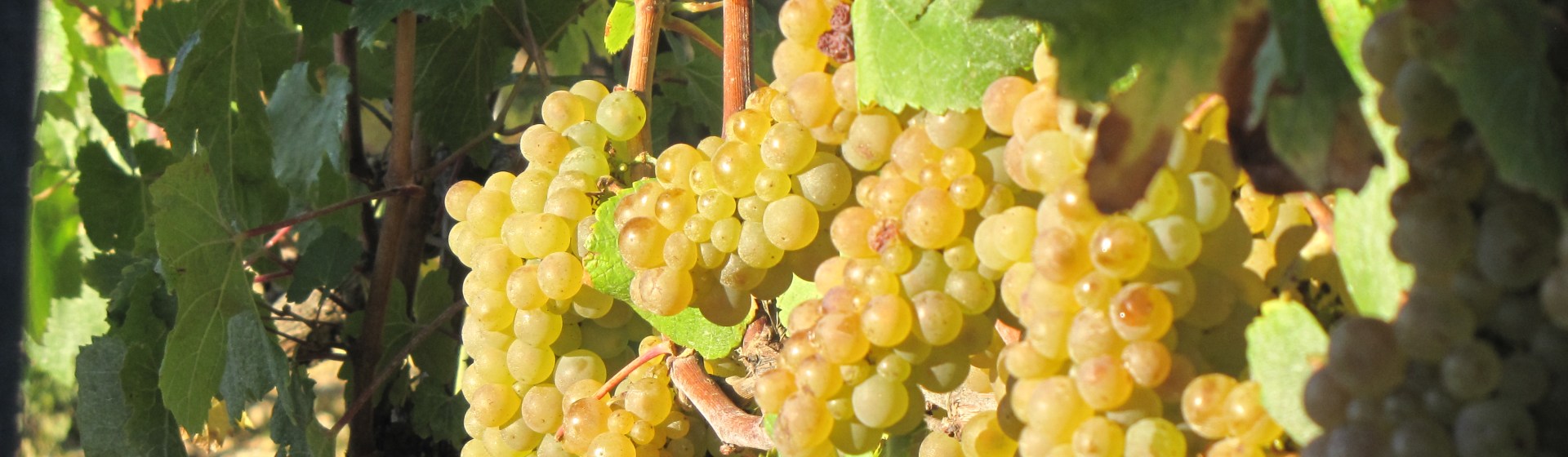
Three main Chardonnay styles emerge in the Bourgogne region, depending on where the grape is grown.
Chablis produces pale gold wines with green highlights, offering citrus, green apple, and mineral aromas. Premier Cru and Grand Cru wines may be partially oak-aged, developing notes of blossom, nuts, and honey.
The Côte de Beaune produces deeper gold wines with aromas of white fruit, florals, cream, and oak, delivering power and length.
Farther south, the Côte Chalonnaise and Mâconnais produce fresh, fruity wines, sometimes enhanced by barrel ageing.
Did you know: The village of Chardonnay lies in the Haut-Mâconnais and may label its wines as Mâcon-Chardonnay.